
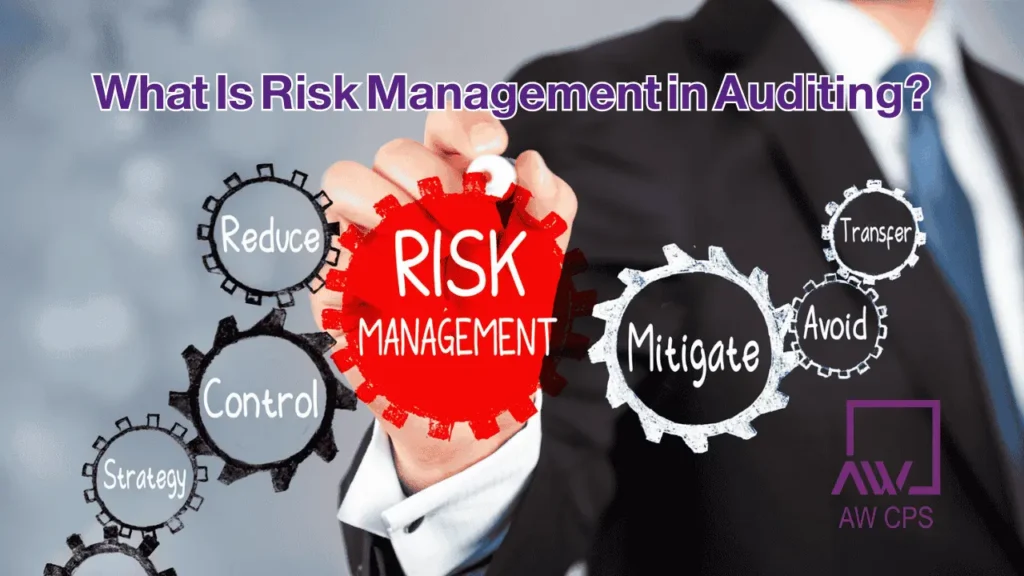
What is risk management in auditing? It is the structured process auditors use to identify, assess, and manage risks that could affect the accuracy of financial statements, internal controls, and overall business integrity.
In today’s complex regulatory and financial environment, risk management in auditing is no longer optional. It is a critical tool that helps organizations prevent errors, detect fraud, and ensure compliance with laws and standards.
What Is Risk Management in Auditing?
Risk management in auditing refers to the systematic approach auditors take to evaluate potential risks that may cause material misstatements in financial records or operational failures within an organization.
These risks may arise from:
-
Weak internal controls
-
Financial misreporting
-
Operational inefficiencies
-
Regulatory non-compliance
-
Fraud or misconduct
Understanding what is risk management in auditing allows businesses to strengthen transparency and accountability.

Why Risk Management Is Essential in Auditing
Auditing without risk management is reactive rather than proactive. Effective risk management enables auditors to focus on high-risk areas and allocate resources efficiently.
Key benefits include:
-
Early identification of financial and operational risks
-
Reduced likelihood of audit failures
-
Improved decision-making
-
Stronger regulatory compliance
-
Increased stakeholder confidence
This is why organizations increasingly prioritize risk management in auditing as part of their governance strategy.
learn : How to Deal with Debt Collectors in UAE
Types of Audit Risks in Risk Management
To fully understand what is risk management in auditing, it’s important to know the main types of risks auditors evaluate.
Inherent Risk
The risk of error or misstatement due to the nature of the business or transaction itself, before considering controls.
Control Risk
The risk that internal controls fail to prevent or detect errors or fraud.
Detection Risk
The risk that auditors fail to detect existing misstatements during audit procedures.
Managing these risks collectively is the foundation of effective auditing.
The Risk Management Process in Auditing
Risk management in auditing follows a structured and disciplined process:
1. Risk Identification
Auditors analyze business operations, financial activities, and industry factors to identify potential risks.
2. Risk Assessment
Each identified risk is evaluated based on its likelihood and potential impact on financial statements or operations.
3. Risk Prioritization
High-risk areas receive greater audit attention and more detailed testing.
4. Risk Response
Auditors design audit procedures to reduce risks to an acceptable level.
5. Continuous Monitoring
Risks are reassessed throughout the audit cycle as business conditions evolve.
This process ensures that auditing remains focused, efficient, and effective.
Learn more about Finance : credit risk vs market risk
Risk Management in Internal vs External Auditing
While both internal and external auditors apply risk management principles, their focus differs.
Internal auditors emphasize:
-
Operational risks
-
Internal control effectiveness
-
Process improvements
External auditors focus on:
-
Financial reporting risks
-
Compliance with accounting standards
-
Material misstatements
In both cases, understanding what is risk management in auditing is essential for delivering reliable audit outcomes.
Common Challenges in Audit Risk Management
Organizations often face obstacles such as:
-
Incomplete or inaccurate data
-
Rapidly changing regulations
-
Complex business structures
-
Limited risk awareness
These challenges highlight the need for experienced audit and risk advisory professionals.
How AW CPS Supports Risk Management in Auditing
AW CPS provides comprehensive risk management and audit advisory services designed to help organizations identify, assess, and control audit-related risks.
Our support includes:
-
Audit risk assessments and planning
-
Internal control evaluation
-
Compliance and regulatory risk analysis
-
Strategic risk advisory
-
Ongoing monitoring and improvement frameworks
By partnering with AW CPS, businesses gain clarity, control, and confidence throughout the auditing process.
The Role of Risk Management in Modern Auditing
Modern auditing goes beyond checking numbers. It focuses on understanding business risks, future uncertainties, and governance effectiveness.
Effective risk management in auditing:
-
Enhances audit quality
-
Reduces financial surprises
-
Strengthens corporate governance
-
Supports long-term business sustainability
FAQs
What is risk management in auditing?
Risk management in auditing is a structured process auditors use to identify, assess, and control risks that could affect financial reporting, internal controls, and overall business integrity.
Why is risk management important in auditing?
It helps detect fraud, prevent errors, ensure compliance, allocate audit resources efficiently, and increase stakeholder confidence in financial reporting.
What are the main types of audit risks?
The main types are:
-
Inherent Risk: Risk of misstatement due to the nature of business or transactions.
-
Control Risk: Risk that internal controls fail to prevent or detect errors.
-
Detection Risk: Risk that auditors fail to identify misstatements during the audit.
How does the risk management process work in auditing?
The process includes:
-
Risk identification
-
Risk assessment
-
Risk prioritization
-
Risk response
-
Continuous monitoring and reassessment
What is the difference between internal and external auditing risk management?
-
Internal auditing: Focuses on operational risks, internal controls, and process improvement.
-
External auditing: Focuses on financial reporting risks, compliance with standards, and material misstatements.
Conclusion
So, what is risk management in auditing? It is a critical framework that helps auditors and organizations identify risks, focus on what matters most, and ensure reliable financial reporting.
With professional guidance from AW CPS, businesses can transform auditing from a compliance exercise into a strategic risk management tool that protects value and drives informed decisions.
Follow us on Linkedin