
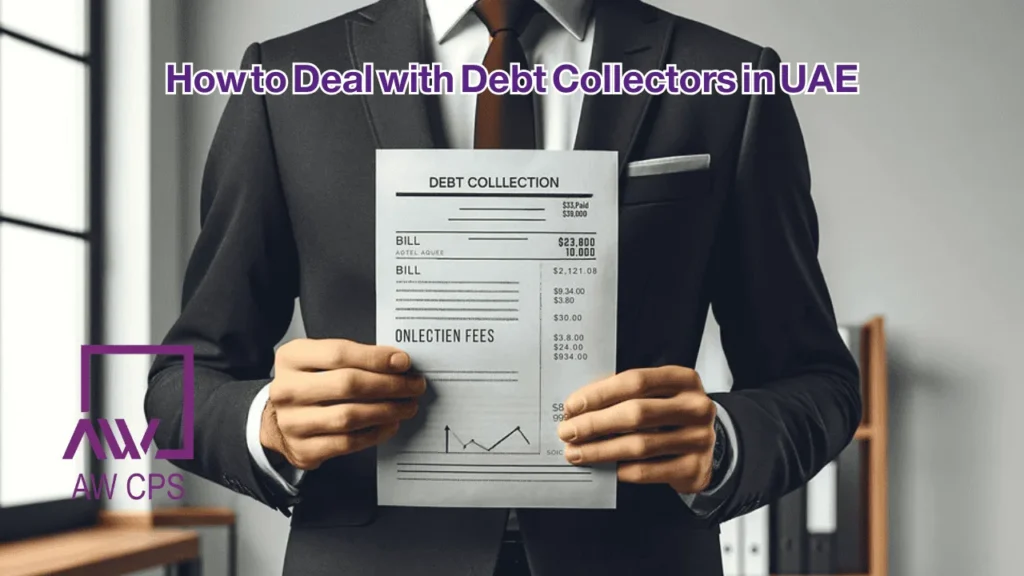
Dealing with debt collectors can be stressful, especially in a regulated financial environment like the UAE. Many individuals and businesses ask an important question: how to deal with debt collectors in UAE in a way that protects their rights, minimizes risk, and leads to realistic solutions.
This guide explains how debt collection works in the UAE, what collectors can and cannot do, your legal position, and how AW CPS can help you manage the situation professionally.
Understanding Debt Collection in the UAE

In the UAE, debt collection is regulated by civil and financial laws. Banks and creditors may attempt to recover unpaid debts through:
-
Internal collection departments
-
Licensed debt collection agencies
-
Legal proceedings through civil courts
Knowing how to deal with debt collectors in UAE starts with understanding that debt recovery is primarily a civil process.
Learn more about Finance : credit risk vs market risk
What Debt Collectors Can Do in the UAE
Debt collectors in the UAE are allowed to:
-
Contact you by phone, email, or written notices
-
Request payment or propose settlement plans
-
Follow up on overdue balances
-
Escalate cases to legal action if necessary
However, all actions must remain within legal and ethical boundaries.
What Debt Collectors Cannot Do
Debt collectors in the UAE are not allowed to:
-
Harass or threaten you
-
Use abusive or misleading language
-
Contact you at unreasonable hours
-
Disclose your debt to third parties
-
Impersonate legal authorities
If these boundaries are crossed, professional intervention is recommended.
How to Deal with Debt Collectors in UAE Effectively
1. Stay Calm and Do Not Ignore Communication
Ignoring collectors often escalates the situation. Responding calmly shows willingness to resolve the matter.
2. Verify the Debt Details
Ask for:
-
Total outstanding balance
-
Breakdown of fees and interest
-
Creditor identity
-
Legal status of the debt
Verification helps prevent errors or unfair demands.
3. Know Your Financial Position
Before negotiating, understand:
-
Your income and expenses
-
Your ability to make payments
-
Whether a lump-sum settlement is possible
This clarity is essential when deciding how to deal with debt collectors in UAE strategically.
Learn : How to settle credit card debt
4. Avoid Making Unrealistic Promises
Only commit to payment plans you can realistically maintain. Broken promises can worsen your position.
5. Negotiate Professionally
Debt collectors may be open to:
-
Reduced settlements
-
Extended repayment plans
-
Temporary payment freezes
Professional negotiation improves your chances of success.
6. Keep Written Records
Document all communication:
-
Emails
-
Messages
-
Call summaries
These records are crucial if disputes arise.
Should You Pay a Debt Collector Directly?
In some cases, payments should go directly to the bank or original creditor rather than the collection agency. Always confirm:
-
Payment instructions
-
Authorization to collect
-
Receipt confirmation
This avoids future disputes.
Legal Risks of Mishandling Debt in the UAE
Improper handling can lead to:
-
Escalated legal action
-
Court judgments
-
Asset or salary attachment
-
Travel restrictions in certain cases
This is why understanding how to deal with debt collectors in UAE is critical.
Common Mistakes to Avoid
❌ Ignoring calls and notices
❌ Making emotional decisions
❌ Sharing sensitive personal data
❌ Accepting unfair payment terms
❌ Assuming debt disappears over time
Avoiding these mistakes protects your legal and financial position.
How AW CPS Helps You Deal with Debt Collectors in UAE
AW CPS provides professional debt advisory and management services designed to protect clients and achieve realistic resolutions.
AW CPS Support Includes:
-
Debt assessment and exposure analysis
-
Communication handling with debt collectors
-
Negotiation and settlement support
-
Legal and financial risk guidance
-
Structured repayment planning
AW CPS acts as a buffer between you and debt collectors, ensuring all discussions remain professional and lawful.
Can Debt Issues Be Resolved Without Court Action?
Yes. Many UAE debt cases are resolved through:
-
Negotiated settlements
-
Restructured payment plans
-
Professional mediation
Early action significantly reduces legal escalation.
FAQs
How do debt collectors operate in the UAE?
Debt collectors in the UAE work under civil and financial laws. They may contact debtors, request payment, negotiate settlements, or escalate cases to legal action through courts if necessary.
Are debt collectors allowed to harass or threaten people in the UAE?
No. Debt collectors in the UAE are not allowed to harass, threaten, use abusive language, contact you at unreasonable times, or disclose your debt to third parties.
What should I do when a debt collector contacts me in the UAE?
Stay calm, respond professionally, verify the debt details, understand your financial position, and keep written records of all communication.
Can I negotiate with debt collectors in the UAE?
Yes. Many debt collectors are open to negotiating repayment plans, reduced settlements, or payment extensions, especially when handled professionally.
Should I ignore calls from debt collectors in the UAE?
No. Ignoring communication often escalates the situation and increases legal risk. It’s better to respond calmly and address the issue early.
Is it better to pay the bank or the debt collection agency?
It depends on the case. Always verify who is authorized to collect the payment and ensure you receive written confirmation and official receipts.
Conclusion: Handle Debt Collectors with Strategy, Not Fear
Understanding how to deal with debt collectors in UAE empowers you to take control of your financial situation. With the right approach, clear communication, and professional guidance, debt issues can be managed and resolved without unnecessary stress.
With AW CPS, you gain expert support to protect your rights, manage risk, and reach practical solutions.
Debt collectors are part of the process, how you deal with them makes all the difference.
Follow us on Linkedin