
As businesses grow, their financing needs often exceed what a single lender can provide. This is where debt syndication becomes a powerful financial solution. Debt syndication allows companies to secure large amounts of capital while spreading risk across multiple lenders — making it a preferred option for major projects, expansions, and corporate restructuring.
In this guide, we explain what debt syndication is, how it works, its benefits, key parties involved, and how AW CPS helps businesses manage debt syndication efficiently and professionally.
What Is Debt Syndication?

Debt syndication is a financing arrangement in which multiple lenders come together to provide a single loan to a borrower. Instead of relying on one bank or financial institution, the borrower receives funding from a group (or syndicate) of lenders, each contributing a portion of the total loan amount.
This approach reduces risk for lenders and allows borrowers to access larger financing amounts under structured and manageable terms.
Debt syndication is commonly used for:
-
Large corporate loans
-
Infrastructure and construction projects
-
Mergers and acquisitions
-
Cross-border business expansions
-
Refinancing existing debt

How Debt Syndication Works
Debt syndication follows a structured process designed to balance lender risk and borrower needs.
1. Appointment of a Lead Arranger
A lead bank or financial institution is appointed to structure the deal, assess the borrower’s credit profile, and define loan terms.
2. Structuring the Loan
The loan structure includes:
-
Total loan amount
-
Interest rates
-
Repayment schedule
-
Covenants and guarantees
3. Formation of the Syndicate
The lead arranger invites other lenders to participate. Each lender commits a specific portion of the loan.
4. Documentation and Legal Agreements
All parties sign standardized loan agreements that clearly define rights, responsibilities, and repayment terms.
5. Disbursement and Monitoring
Once finalized, funds are disbursed, and the lead arranger manages communication and repayment coordination between the borrower and lenders.
Learn ethical debt collection
Key Parties Involved in Debt Syndication
-
Borrower: The company seeking financing
-
Lead Arranger: The institution structuring and managing the deal
-
Syndicate Members: Participating lenders
-
Legal and Financial Advisors: Supporting documentation, compliance, and risk management
Professional advisory support is essential to ensure transparency and efficiency throughout the process.
Types of Debt Syndication
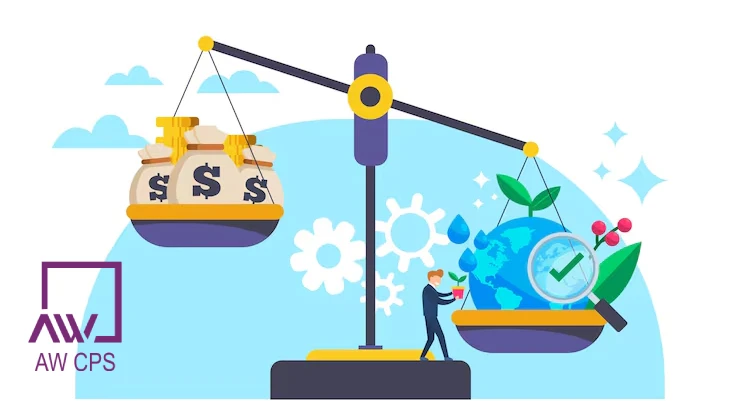
Debt syndication can take several forms depending on business needs:
1. Underwritten Deal
The lead arranger guarantees the full loan amount, assuming the risk if other lenders do not participate.
2. Best-Efforts Syndication
The arranger commits to raising funds without guaranteeing full coverage.
3. Club Deal
A small group of lenders share the loan equally, typically for mid-sized financing needs.
Benefits of Debt Syndication
For Businesses
-
Access to large financing amounts
-
Competitive interest rates
-
Flexible repayment terms
-
Improved cash flow management
For Lenders
-
Risk diversification
-
Shared exposure
-
Opportunity to participate in large-scale projects
Debt syndication creates a balanced financial ecosystem for all parties involved.
Learn more about Finance : credit risk vs market risk
Risks and Challenges of Debt Syndication
While debt syndication offers many advantages, it also involves challenges:
-
Complex documentation
-
Multiple stakeholder coordination
-
Regulatory and compliance requirements
-
Covenant management and reporting
These challenges make expert debt management support critical.
How AW CPS Helps with Debt Syndication
AW CPS provides professional debt management and advisory services that support businesses throughout the debt syndication lifecycle.
AW CPS Services Include:
-
Financial assessment and debt structuring
-
Lender coordination and negotiation support
-
Risk analysis and covenant management
-
Legal and regulatory compliance guidance
-
Ongoing debt monitoring and optimization
By working with AW CPS, businesses ensure their debt syndication strategy aligns with long-term financial stability and growth.
Learn Business Risk Assessment Guide
When Should a Business Consider Debt Syndication?
Debt syndication is ideal when:
-
Financing needs exceed single-lender capacity
-
Businesses are expanding or acquiring assets
-
Existing debt needs restructuring
-
Cross-border financing is required
AW CPS helps assess whether debt syndication is the right solution and guides businesses through every step.
FAQs – Debt Syndication
What is debt syndication?
Debt syndication is a financing arrangement where multiple lenders jointly provide a single loan to a borrower, allowing businesses to secure large funding amounts while spreading risk among lenders.
How does debt syndication work?
A lead arranger structures the loan, invites other lenders to participate, finalizes legal documentation, and manages communication and repayments between the borrower and the syndicate.
Why do businesses use debt syndication?
Businesses use debt syndication to access larger financing amounts, secure competitive terms, diversify funding sources, and support major projects or expansions.
What types of projects typically use debt syndication?
Debt syndication is commonly used for infrastructure projects, mergers and acquisitions, corporate expansion, refinancing existing debt, and cross-border investments.
Who are the key parties involved in debt syndication?
Key parties include the borrower, lead arranger, syndicate lenders, and legal and financial advisors who ensure compliance, documentation accuracy, and risk management.
What are the main types of debt syndication?
The main types include underwritten deals, best-efforts syndication, and club deals, each offering different levels of risk and lender commitment.
Follow us on Linkedin